
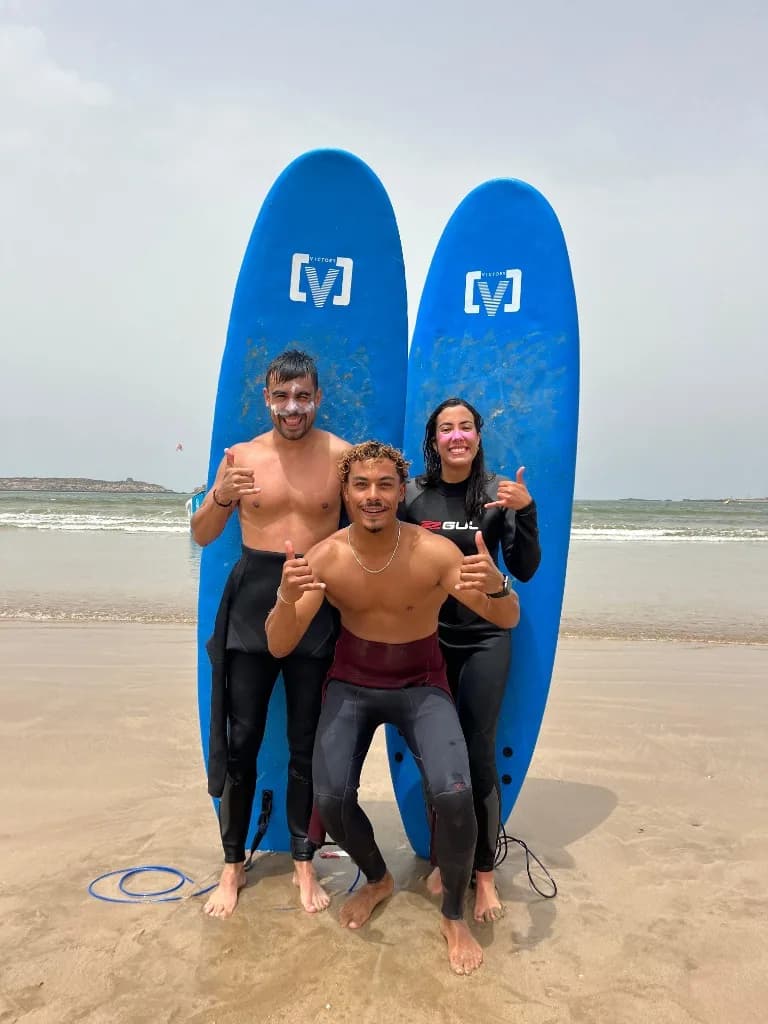
Introduction: Why Essaouira is Morocco's Most Authentic Surf Destination
When most surfers think of Morocco surf, their minds immediately jump to Taghazout—the famous surf village that has dominated Instagram feeds and surf magazines for decades. But savvy wave hunters know that Essaouira surf offers something far more valuable: authentic Moroccan surf culture, diverse waves for every skill level, and lineups that aren't packed with surf tourists fighting for every set wave.
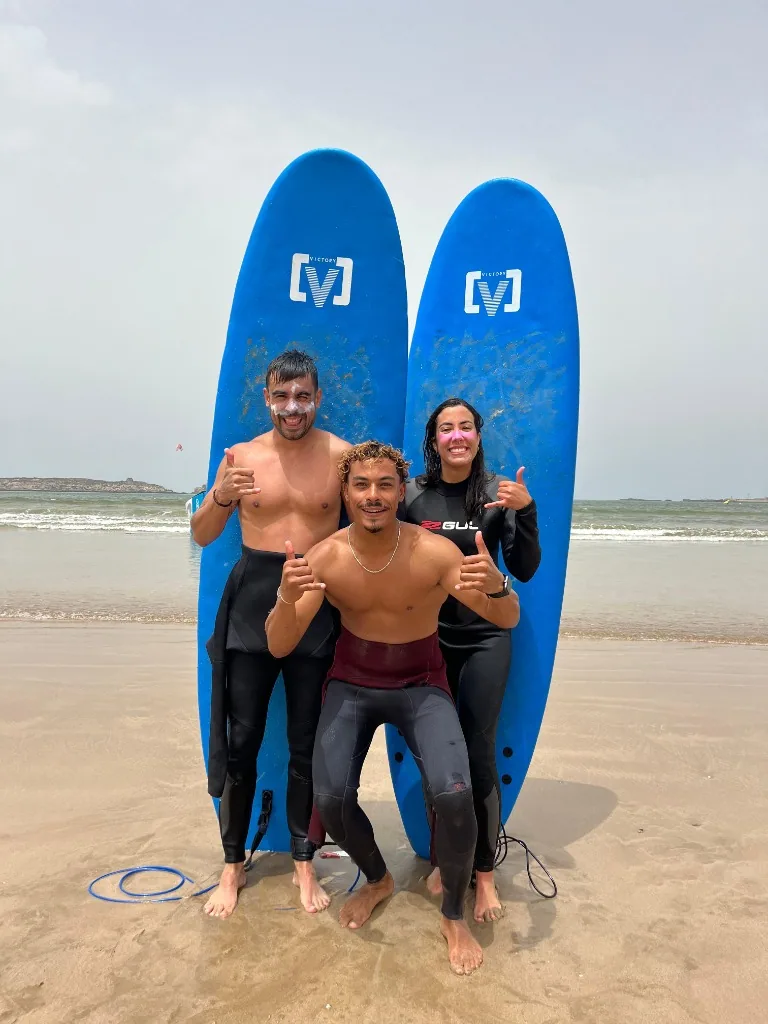
Located on Morocco's windswept Atlantic coast, Essaouira Morocco has earned its nickname as the "Wind City of Africa." While this reputation was built on world-class kitesurfing and windsurfing conditions, the region has emerged as one of the most exciting surf destinations Morocco has to offer. From the gentle beach breaks perfect for surf lessons Essaouira to the challenging reef breaks that test even experienced surfers, this area delivers variety that Taghazout simply can't match.
The history of surfing in Morocco dates back to the 1960s when American soldiers stationed at the Kenitra military base first introduced surfboards to Moroccan shores at Mehdia Beach. By the 1970s, European hippie travelers had discovered the perfect point breaks of Taghazout Bay, establishing Morocco's first surf tourism infrastructure. However, Essaouira remained relatively undiscovered by the surf community until the early 2000s, when adventurous surfers began exploring north of Agadir and found a coastline rich with uncrowded waves and authentic Berber culture.
What makes surfing Essaouira truly special is the combination of consistent Atlantic Ocean surf Morocco and the region's unique cultural landscape. Unlike the hyper-developed surf zones further south, Essaouira maintains its character as a historic port city with a UNESCO-listed medina, thriving fishing industry, and welcoming local community. When you book a surf camp Essaouira, you're not just getting waves—you're immersing yourself in centuries of Moroccan maritime tradition.
The best time to surf Essaouira runs from September through April, with peak conditions typically arriving between December and February. During these months, powerful Northwest Atlantic swells combine with favorable offshore wind patterns to create the clean, organized waves that make Essaouira surf spots so special. Even during the summer months, when strong trade winds make conditions challenging for surfing (but ideal for kitesurf Essaouira), the region's diverse coastline offers protected coves and early morning glass-offs for dedicated surfers.
Whether you're planning your first surf trip Morocco or you're a seasoned traveler looking for the next uncrowded paradise, this comprehensive guide will walk you through everything you need to know about surf Essaouira. From detailed breakdowns of every major break to insider tips on the best surf accommodation Essaouira and local surf guides Essaouira, we've got you covered.
Understanding Essaouira's Unique Surf Geography and Wave Mechanics
Before diving into specific spots, it's essential to understand what makes Essaouira wave conditions unique. The region's surf quality is shaped by three primary factors: the continental shelf configuration, the interaction between swell direction and coastal orientation, and the famous Moroccan trade wind patterns.
The continental shelf off Essaouira extends relatively far offshore, which means that groundswells—those long-period waves generated by distant storms—have plenty of time and space to organize into clean, powerful surf. This is why Essaouira surf forecast data often shows excellent conditions even when other Moroccan regions are flat. The shelf also creates interesting bathymetric features that produce the reef and point breaks that experienced surfers crave.
Swell Direction and Surf Spots Essaouira
Swell direction is critical for understanding surf spots Essaouira. The region receives swell from multiple directions:
- Northwest (NW) swells: Most common in winter, creating the powerful waves that make Sidi Kaouki surf famous
- West (W) swells: Provide consistent surf year-round, ideal for beginners and intermediates
- North (N) swells: Less common but can create epic conditions at specific breaks like Moulay Bouzerktoun
Wind Patterns Essaouira
The wind patterns Essaouira are perhaps the most discussed (and sometimes feared) aspect of surfing here. The region experiences strong northeast trade winds (known locally as the Chergui) that blow consistently from April through August, making summer surfing challenging. However, from September through March, these winds diminish, and the morning offshore winds (often from the east or southeast) groom the swell into perfectly shaped waves. Smart surfers plan their sessions for dawn patrol—the first few hours after sunrise when winds are typically lightest and most favorable.
Tide Awareness
Tide awareness is crucial for surfing Essaouira successfully. Many of the region's best breaks are tide-dependent, with certain spots only working on specific tide stages. For example, Marabout Point at Sidi Kaouki performs best at mid-tide, while La Grotte requires lower tides to reveal its rocky shelf. Understanding these tidal nuances separates visiting surfers who score epic sessions from those who struggle with closeouts and dangerous conditions.
Water Temperature and Wetsuits
Water temperature in Essaouira Morocco ranges from 15°C (59°F) in winter to 20°C (68°F) in late summer. While this might sound warm, the persistent wind chill means that wetsuits are essential year-round. A 3/2mm full wetsuit works for most of the year, though dedicated winter surfers (December-February) might prefer a 4/3mm for those dawn patrol sessions when the air temperature drops to 10-12°C.