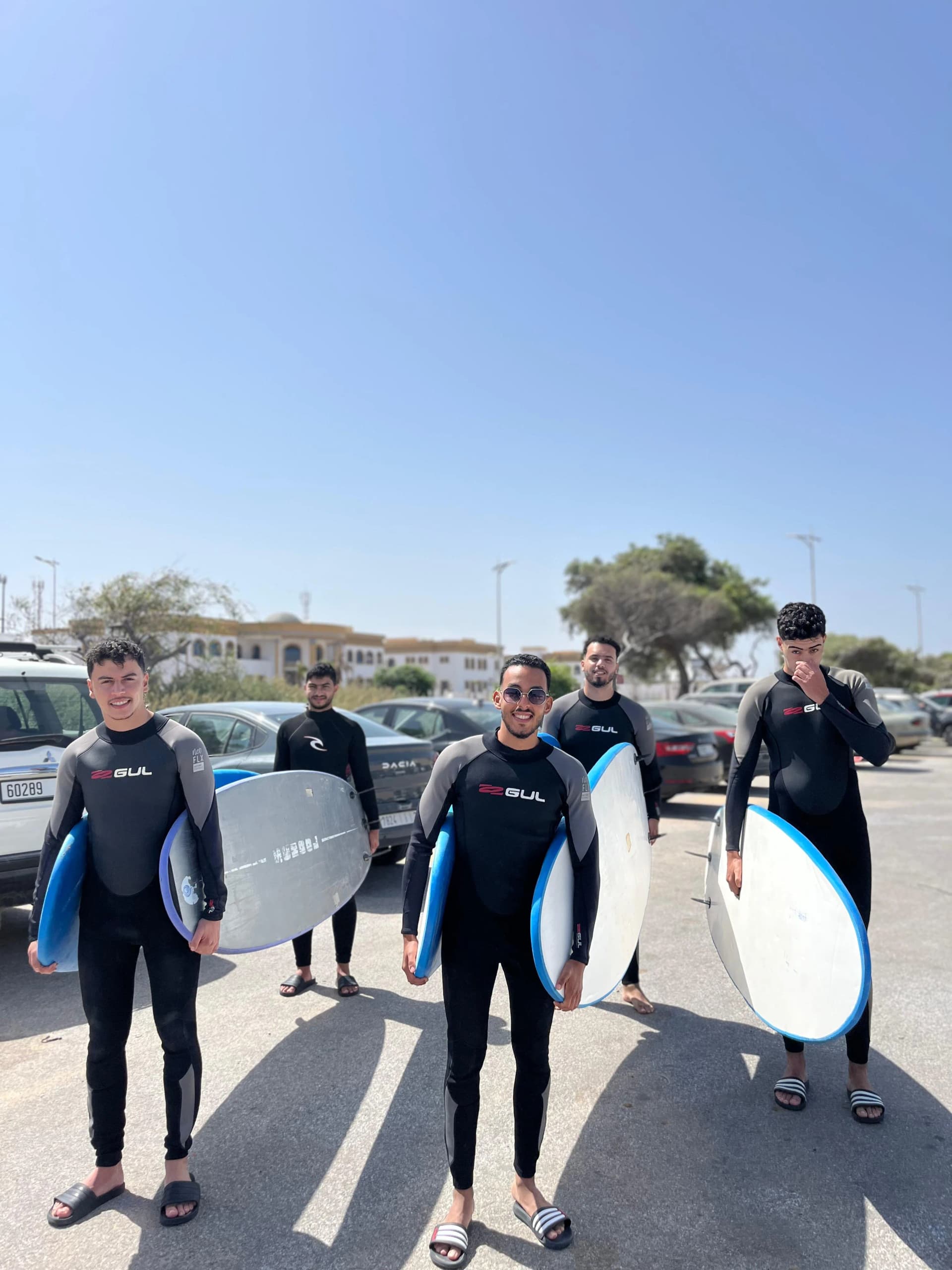
A surf camp in Morocco is more than a bed near the beach—it is a rhythm of early alarms, salt hair, shared meals, and steady progress in the water. Whether you choose Essaouira’s bay, a village south toward Sidi Kaouki, or a mix of both, knowing what to expect removes anxiety and helps you pack once, arrive prepared, and surf every morning while the wind is still asleep. This guide walks through a typical day, accommodation styles, food, who thrives on camp life, and how to book a week that matches your level.
What a surf camp actually includes
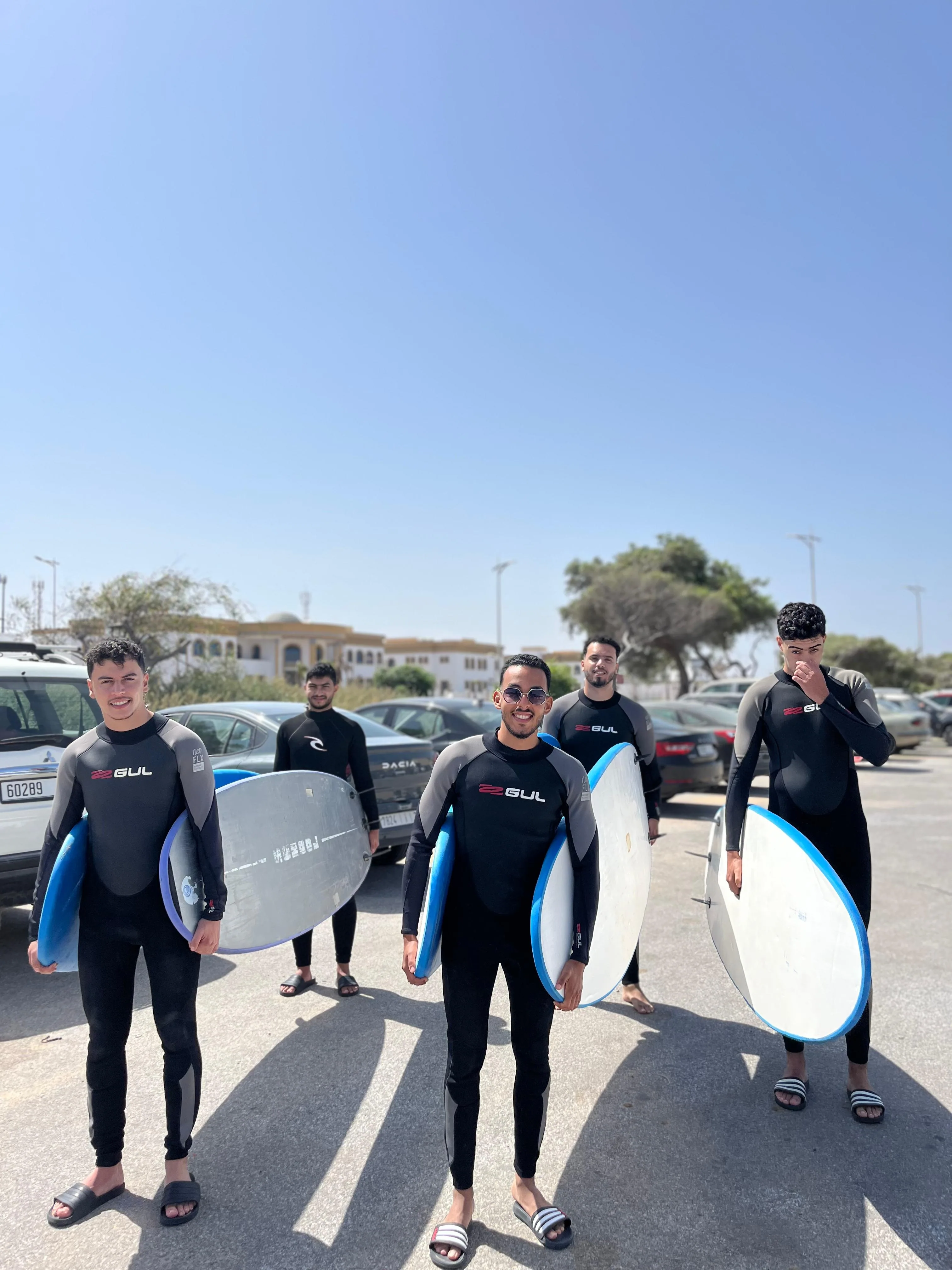
Packages vary, but most Moroccan surf camps bundle daily coached sessions, equipment (soft-top or hardboard depending on level, wetsuit, leash), transport to the teaching beach, and lodging for five to seven nights. Some add breakfast or half-board; others point you to local cafés. Insurance, flights, and airport transfers may be optional extras—read the inclusion list before you pay a deposit.
Essaouira camps often centre on the main bay for beginners and move intermediates to Sidi Kaouki or alternative banks when ready. Agadir-region camps may rotate reef points—different energy, steeper learning curve. If you are booking your first camp, prioritise sandy-bottom teaching and small groups over glossy photos of overhead barrels you will not surf in week one.
Surf camp vs hotel plus daily lessons
Hotels plus à la carte lessons suit short stops. Camps win when you want repetition: muscle memory for pop-ups needs three to five consecutive mornings. Camps also introduce you to travel companions, shared taxis, and forecast chats—part of the culture.
Daily schedule: from dawn to dinner
07:00–08:00: Wake, light breakfast if included, check WhatsApp group for meeting point.
08:30–09:00: Meet instructors, wetsuit fitting, warm-up on sand.
09:00–11:30: Water time—whitewater for beginners, peak selection for improvers; video feedback some days.
12:00: Rinse gear, debrief, free lunch in medina or camp terrace.
Afternoon: Rest, explore, optional kite or yoga; wind builds so surf is rare after 14:00 in summer.
Evening: Tagine dinners, medina walks, occasional beach bonfire or music night.
Schedules shift with tides, Ramadan timing, and Ramadan-friendly later starts when applicable. Rain is uncommon; wind is not—trust the camp when they move session earlier.
Accommodation: riads, surf houses, and shared rooms
In Essaouira, camps use surf houses minutes from the beach or riads in the newer town with easy taxi access. Dorms suit solo travellers on a budget; twin and double rooms suit couples and friends. Expect shared bathrooms in entry packages and en-suite in premium weeks.
Medina riads are atmospheric but boards and wetsuits mean beach-proximity logistics—confirm how far you carry gear at 8am. Air conditioning is not universal; fans and ocean breeze usually suffice spring to autumn. Winter campers appreciate hot showers and thick wetsuits drying racks.
Who you will share the week with
Mixed nationalities, ages twenty to fifty-five common, families on dedicated weeks, and solo women travellers increasingly booking all-female or small-group options. Camps screen levels loosely—honest self-assessment on the booking form keeps groups safe.
Food: tagines, port fish, and dietary needs
Half-board camps serve Moroccan staples: bread, eggs, fruit, coffee, evening tagines, couscous on Fridays. Vegetarians are usually fine; vegans should message ahead—dairy and meat sneak into many sauces. Essaouira port offers grilled fish by weight—excellent post-surf protein. Medinas have cafés with avocado toast and smoothies for homesick palates, but embrace local food for value and warmth.
Bring snacks for long sessions: dates, nuts, electrolytes. Tap water opinions vary—many travellers use filtered camp water or bottled. Alcohol is available in some restaurants but not the cultural default; respect quiet during religious holidays.
Packing list for a one-week surf camp
Essentials: swimwear, reef-safe sunscreen, zinc for nose and cheeks, lip balm, quick-dry towel, flip-flops, sandals for medina cobbles, light rain jacket (rarely needed), daypack, European plug adapter, copy of passport, travel insurance certificate.
Surf: schools provide board and wetsuit—add rash vest if you chafe, optional boots in winter.
Clothing: layers for cool mornings, modest outfits for town, hat and sunglasses.
Optional: goPro, ear plugs, basic first-aid, ear drops for frequent dunking, yoga mat if camp does not supply.
Pack light—laundry services or hand wash riads help. Leave room for a souvenir argan oil or scarf.
Who surf camp Morocco suits best
Ideal: first-time surfers, improvers wanting five sessions in a row, solo travellers seeking company, couples splitting surf and culture, friends on a budget adventure.
Less ideal: advanced surfers chasing only heavy reef barrels without transport plan; travellers who hate early mornings; people expecting resort spa luxury without surf focus.
Families with young children should book family-specific weeks or private lessons alongside camp lodging—see our family guides and ask camps about child instructor ratios.
Essaouira vs other Moroccan camp hubs
Essaouira combines bay safety, kitesurf afternoons, and UNESCO medina—evenings have substance beyond bar repetition. Taghazout-area camps emphasise point breaks for stronger surfers. Imsouane’s long right suits longboarders on specific swells. Choosing Essaouira means prioritising learn-to-surf progression and cultural depth; browse surf camp Essaouira packages for bay-focused itineraries.
Booking, payments, and communication
Book direct with a reputable school to avoid aggregator markup. Ask about cancellation weather policy—Atlantic mornings are usually surfable but extreme swell days happen. WhatsApp is the normal coordination channel; download offline maps. Deposit via bank or card; carry some dirhams for taxis and tips.
Full surf camp Morocco pages list durations and prices; customise through contact if you need airport pickup, private room, or combo kite lessons. Peak August fills early—May, June, and September remain excellent with thinner crowds.
Insurance and health
Travel insurance with surf coverage is non-negotiable. Clinics handle minor cuts; serious injuries require Essaouira hospital or Agadir. Mention asthma, ear surgery, or pregnancy before booking—coaches adapt or advise postponement.
Making the most of your week
Sleep before 23:00. Stretch hips and shoulders. Review one technique focus per day—pop-up, gaze, foot position. Afternoons are for culture: hammam, cooking class, Gnawa concert. Do not book six surf sessions and kite every afternoon unless you enjoy fatigue injuries. One rest day mid-week often improves day six more than another brutal paddle.